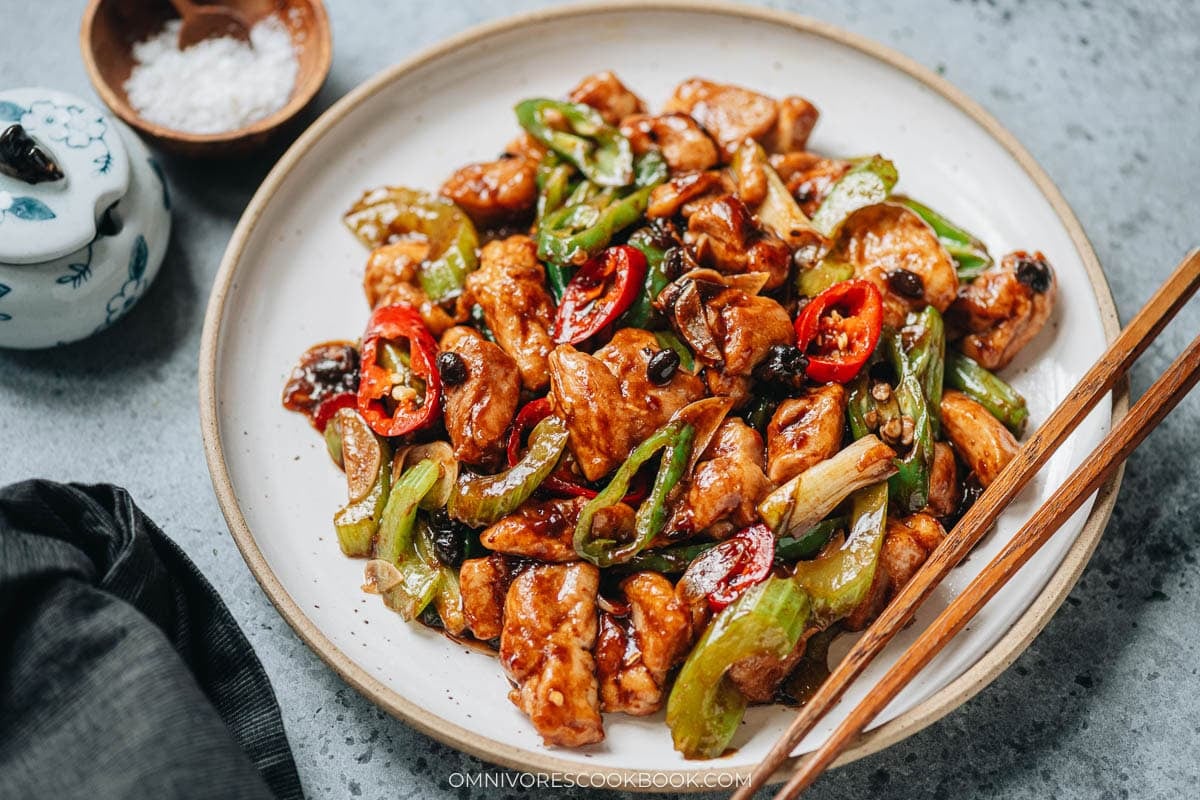
Unlock Authentic Hunan Chicken: Traditional Flavors Beyond Takeout
For many, the idea of Chinese takeout evokes familiar comfort – savory sauces, tender meats, and a satisfying crunch of vegetables. But what if there was a culinary journey waiting to be discovered, one that promises bolder flavors, a more profound spice, and a truly authentic experience far removed from the generic "brown sauce" stir-fries? Enter
Hunan Chicken. Often misunderstood and frequently Americanized, traditional Hunan Chicken offers a vibrant, complex tapestry of tastes that reflects its Southern Chinese origins. This article will guide you through the distinctive characteristics of genuine Hunan cuisine, arm you with the knowledge to craft this exceptional dish at home, and reveal why it stands out in the vast world of Chinese gastronomy. Prepare to elevate your palate and transform your perception of Chinese food.
Beyond the "Brown Sauce": What Makes Authentic Hunan Chicken Unique?
To truly appreciate
Hunan Chicken, we must first understand the hallmarks of Hunan cuisine itself. Hailing from Hunan province, located to the east of Sichuan and north of Guangdong, this regional fare is celebrated for its intense, unadulterated spice and a fascinating interplay of sour and savory notes. Unlike its Sichuanese counterpart, which famously incorporates numbing Sichuan peppercorns, Hunan dishes derive their fiery kick purely from fresh and dried chilies. In fact, many Chinese connoisseurs consider Hunan dishes to be even spicier than those from Sichuan – a revelation that often surprises those accustomed to Sichuan's formidable reputation!
The unique flavor profile of Hunan cooking extends far beyond just heat. A defining characteristic is its prominent "sour note," achieved through the liberal use of vinegar and fermented ingredients. Think of specialties like pickled long beans with pork, where a delightful tang brightens and deepens the overall taste. This sourness, combined with the robust spice, creates a captivating complexity that sets it apart.
Key ingredients are the backbone of this bold cuisine. You'll find liberal amounts of:
- Fermented Black Beans: Essential for their deeply savory, umami-rich, and slightly salty flavor. These provide an unmistakable depth.
- Fresh and Dried Chilies: The source of Hunan's signature, pure heat. The quantity and type can be adjusted, but they are non-negotiable for authenticity.
- Fresh Ginger and Garlic: Used generously, these aromatics lay a powerful foundation. Experts often recommend adding garlic later in the cooking process to preserve its pungent freshness.
- Leeks or Scallions: Providing a subtle oniony sweetness and freshness.
- Vinegar: To introduce that distinctive sour element, balancing the heat and richness.
Traditional Hunan dishes also sometimes feature fascinating smoked meats, such as pork belly and beef, adding another layer of savory complexity. When these signature ingredients are combined with tender chicken in a hot wok, the result is a powerfully flavored stir-fry that is a world away from the often-milder, vegetable-heavy "brown sauce" dishes commonly found in American Chinese restaurants. While enjoyable, those versions often feature ingredients like broccoli and celery that aren't central to the traditional Hunan experience.
Crafting Your Own: Essential Ingredients for Traditional Hunan Chicken
The journey to authentic
Hunan Chicken begins with selecting the right components. While the convenience of takeout is undeniable, creating this dish at home allows for unparalleled control over flavor, spice level, and ingredient quality. The good news? You can transform basic ingredients into a restaurant-quality meal in under 30 minutes, making it a perfect candidate for busy weeknights.
Choosing Your Chicken
The foundation of your dish is, naturally, the chicken. Both options offer distinct advantages:
- Chicken Breast: A lean choice, it cooks quickly and is readily available. For optimal tenderness, slicing it against the grain into bite-sized pieces and a quick marinade (even just soy sauce and a touch of cornstarch) can make a big difference.
- Chicken Thighs: Many chefs recommend boneless, skinless chicken thighs for Hunan Chicken. Their higher fat content ensures a juicier, more flavorful, and more forgiving result, even if slightly overcooked. The rich dark meat absorbs the bold sauce beautifully.
Building the Signature Sauce
The sauce is where the magic truly happens, a harmonious blend of savory, spicy, sour, and a hint of sweet. For a truly mouthwatering and bold sauce, gather these key components:
- Chicken Broth: Provides a liquid base and savory depth.
- Rice Vinegar: Crucial for the characteristic sour note of Hunan cuisine. Don't skip this!
- Soy Sauce: For essential saltiness and umami.
- Oyster Sauce: Delivers a concentrated savory, slightly sweet, and umami richness that deepens the sauce's complexity.
- Chili Paste: Your primary source of heat. Examples include Gochujang (Korean chili paste) for a milder, fermented kick, or a Chinese chili bean paste (Doubanjiang) for a more authentic, fiery punch. Adjust the amount to your heat tolerance – remember, you can always add more, but you can't take it away!
- Honey or Sugar: A small amount helps to balance the intense flavors, especially the spice and sourness, creating a more rounded profile.
The Aromatic Powerhouses
These fresh ingredients are non-negotiable for an authentic flavor experience:
- Fermented Black Beans: These are critical. If you can't find them in an Asian grocery store, they are widely available online. Alternatively, you can buy pre-made black bean and garlic sauce in jars, though using whole fermented beans offers a more nuanced flavor.
- Fresh Ginger: Use generously! Its pungent, warming aroma is a hallmark of Hunan dishes.
- Fresh Garlic: Equally important for its sharp, aromatic bite. As mentioned, adding it towards the middle or end of the stir-fry preserves its vibrant flavor.
- Fresh and Dried Chilies: A mix provides layers of heat. Fresh bird's eye chilies or serranos will give a bright, immediate burn, while dried chilies contribute a more mellow, smoky heat.
- Leeks or Scallions: For fresh, mild oniony flavor and a touch of green.
Don't be afraid to invest in these specialty ingredients. They are the difference between a generic stir-fry and a truly traditional
Hunan Chicken experience.
Mastering the Stir-Fry: Techniques for Restaurant-Quality Hunan Chicken at Home
One of the most appealing aspects of making
Hunan Chicken at home, beyond its incredible flavor, is its surprising simplicity. You don't need a sprawling kitchen or an arsenal of specialized equipment. As the saying goes, why dirty the entire kitchen when you can make homemade Chinese food with just a bowl and a skillet (or even better, a wok)? The easy cleanup is a definite bonus!
The Art of the Wok (or Skillet)
The key to a successful stir-fry lies in high heat and quick cooking.
- Mise en Place is King: Before you even turn on the stove, have all your ingredients prepped – chicken sliced, sauce mixed, vegetables chopped, and aromatics ready. Stir-frying moves fast, and you won't have time to chop mid-cook.
- High Heat: Heat your wok or large skillet over high heat until it's smoking slightly. Add a tablespoon or two of high-smoke-point oil (like grapeseed, canola, or peanut oil).
- Cook the Chicken: Add your chicken in a single layer. If you're making a larger batch, cook it in two stages to avoid overcrowding the pan, which can steam the chicken instead of searing it. Cook until golden brown and almost cooked through, then remove from the pan and set aside.
- Sauté the Aromatics: Reduce the heat slightly if necessary, then add your aromatics – ginger, dried chilies, fermented black beans. Sauté for 30-60 seconds until fragrant. *Now* add your fresh garlic and any fresh chilies, cooking for another 30 seconds to unleash their pungent flavors.
- Build the Sauce: Pour your pre-mixed sauce into the pan. Bring it to a simmer, stirring constantly. It will thicken quickly as it heats.
- Combine and Finish: Return the cooked chicken to the pan, along with any quick-cooking vegetables (like leeks or scallions). Toss everything to coat evenly in the rich, spicy sauce. Cook for just another minute or two until the chicken is fully cooked through and the sauce clings beautifully.
Dialing in the Spice
Don't let the "spicy" reputation of Hunan cuisine intimidate you. The beauty of homemade
Hunan Chicken is that you are the master of the heat. You can dial the chili paste up or down, depending on your personal tolerance. Start with a conservative amount and taste as you go. For a truly bold experience, lean into the chilies, but for a milder take, simply use less.
Serving and Enjoying
Serve your freshly made
Hunan Chicken with a generous scoop of fluffy white or nutty brown rice. The rice isn't just a vehicle; its mildness perfectly balances the bold, savory, and spicy flavors of the chicken, allowing each component to shine. This dish reheats beautifully, making it an excellent candidate for meal prep or a delicious next-day lunch that will make your colleagues envious.
Hunan vs. Sichuan: Unraveling the Purely Spicy Distinction
When discussing fiery Chinese cuisines, Hunan and Sichuan often come up in the same breath. Both are celebrated for their liberal use of oil and their intense heat, making them easy to confuse for the uninitiated. However, the distinction is significant and fascinating, especially if you're exploring authentic Chinese flavors.
The primary difference lies in the source and sensation of their spice. Sichuan cuisine is famously characterized by its "mala" flavor profile, a unique combination of heat (la) from chilies and a distinctive numbing (ma) sensation caused by Sichuan peppercorns. This numbing tingle prepares the palate for further spice and creates a complex, almost electrifying experience.
Hunan cuisine, on the other hand, is known for its *pure* spice, derived exclusively from fresh and dried chilies. There are no numbing peppercorns involved; the heat is direct, intense, and front-and-center. As mentioned earlier, among Chinese culinary circles, it's widely acknowledged that Hunan dishes are often hotter and spicier than those from Sichuan, which might come as a surprise to many Western palates accustomed to Sichuan's renown for heat. This purely spicy character, combined with the sour and savory notes, gives
Hunan Chicken its distinctive kick. For a deeper dive into these captivating regional differences, explore our comprehensive guide:
Hunan vs. Sichuan Chicken: Uncover China's Purely Spicy Cuisine.
Embracing authentic
Hunan Chicken is more than just making a meal; it's an exploration of a rich culinary tradition. From its pure, unadulterated spice to its sour and savory depths, every bite tells a story of a region proud of its bold flavors.
Experience the True Flavors of Hunan
Beyond the comfort of familiar Chinese takeout, lies a world of vibrant, authentic flavors waiting to be discovered.
Hunan Chicken, with its bold, savory, spicy, and wonderfully balanced profile, is a testament to the rich culinary heritage of Southern China. By understanding its unique characteristics – the pure chili heat, the refreshing sour notes, and the aromatic depth from ingredients like fermented black beans and fresh ginger – you can move beyond generic stir-fries and bring a truly traditional experience to your own kitchen. It's a dish that promises excitement for your palate, ease for your busy schedule, and the profound satisfaction of crafting something truly exceptional. Ready to unlock these traditional flavors and make a dish that's even better than takeout? Find your perfect recipe and start cooking tonight:
Homemade Hunan Chicken: Bold, Spicy & Better Than Takeout in 30 Mins.